Read this first. The South Beach Diet is a low-glycemic eating pattern, not medical care. Phase 1 restricts most carbs for about two weeks. If you have type 1 or type 2 diabetes, take insulin or a sulfonylurea, are pregnant or breastfeeding, have a history of disordered eating, or manage kidney or heart conditions, talk to your doctor or a registered dietitian before starting. Nothing here replaces individualized medical advice.
The Honest Phase 1 Grocery List (Not a Bikini-Body Promise)
Phase 1 of the South Beach Diet is two weeks of no bread, no fruit, no rice, no potatoes, and no added sugar. That’s a lot of “no.” The point isn’t punishment. It’s a short reset that lowers post-meal blood sugar spikes and shifts what you crave.
This grocery list keeps you out of the middle aisles and focused on protein, non-starchy vegetables, and healthy fats. Print it, screenshot it, take it to the store. Skip the pep talk about bikini bodies. That’s marketing, not physiology.
What’s on This Page
- Phase 1 basics in plain English
- Proteins to stock
- Non-starchy vegetables
- Healthy fats and dairy
- Pantry, seasoning, and drinks
- What to skip in Phase 1
- Phase 1 vs. Phase 2 at a glance
- Shopping tips that save money
- FAQ
Phase 1 Basics in Plain English
Phase 1 lasts around 14 days. The idea, originally laid out by cardiologist Arthur Agatston in his 2003 book, was to pull refined starches and sugar so blood glucose and insulin swings settle down. Once cravings drop, you move into Phase 2, where whole grains and low-glycemic fruits come back.
The evidence behind low-glycemic eating is stronger than the marketing suggests. A 2018 review by Vega-Lopez and colleagues concluded that low-glycemic index diets can modestly improve fasting glucose and HbA1c in adults with type 2 diabetes. For weight loss, the effect is smaller and mostly driven by calorie reduction. So think of Phase 1 as a habit reset, not magic.
Three ground rules for the two weeks:
- Eat protein at every meal so you stay full.
- Fill half the plate with non-starchy vegetables.
- Choose unsaturated fats (olive oil, avocado, nuts) more often than butter or coconut oil.
Proteins to Stock
Lean cuts keep saturated fat in check without leaving you hungry. Rotate a few options so meals don’t turn into groundhog day.
- Eggs (whole eggs are fine; the 2015-2020 US Dietary Guidelines removed the cholesterol cap)
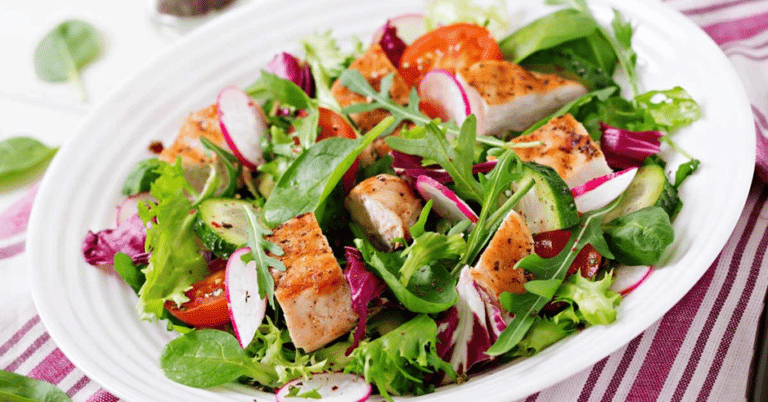
- Chicken breast or thigh, skin removed
- Turkey breast, ground turkey (93% lean or higher)
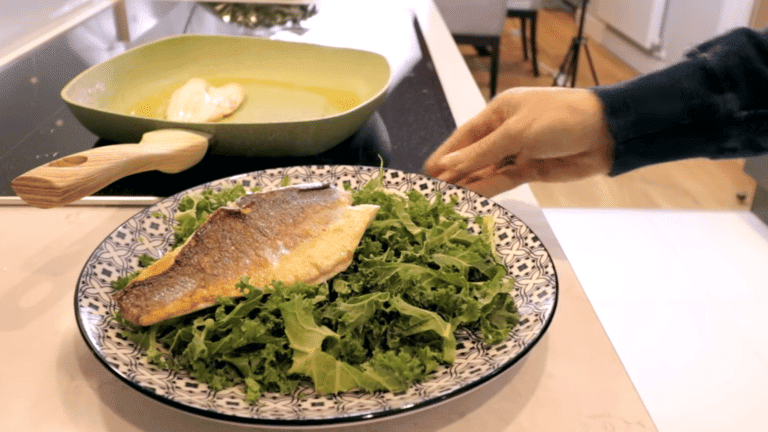
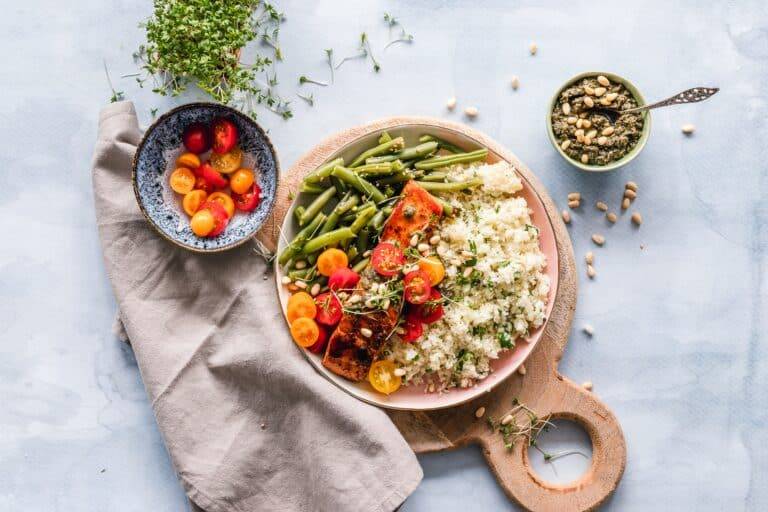
- Fish: salmon, cod, tilapia, canned tuna in water, sardines
- Shellfish: shrimp, scallops, mussels
- Lean beef: sirloin, flank, 93/7 or leaner ground
- Pork tenderloin or Canadian bacon
- Tofu, tempeh, edamame (plant options)
- Cottage cheese (low-fat, 2%) and plain Greek yogurt
Non-Starchy Vegetables
Load up. These are unlimited within reason and give you fiber, potassium, and micronutrients without pushing blood sugar around.
- Spinach, kale, arugula, romaine, mixed greens
- Broccoli, cauliflower, Brussels sprouts, cabbage
- Asparagus, green beans, snap peas
- Zucchini, yellow squash, eggplant
- Bell peppers, hot peppers, jicama
- Cucumber, celery, radish
- Onions, scallions, garlic, leeks (small amounts; they have some sugar)
- Mushrooms of any kind
- Tomatoes (technically a fruit; allowed in Phase 1)
Healthy Fats and Dairy
Fat isn’t the villain here. Small amounts of unsaturated fat make vegetables taste better, which means you actually eat them.
- Extra virgin olive oil (dressings, low-heat cooking)
- Avocado and avocado oil
- Nuts: almonds, pistachios, walnuts, pecans (about a small handful per day)
- Seeds: chia, flax, sunflower, pumpkin
- Natural nut butter (no added sugar or hydrogenated oil)
- Low-fat cheese in modest portions (feta, part-skim mozzarella, ricotta)
- Unsweetened plant milk (almond, soy) for coffee
Pantry, Seasoning, and Drinks
- Vinegars: apple cider, red wine, balsamic (small amounts)
- Mustard, hot sauce, salsa (check labels for added sugar)
- Broth: low-sodium chicken, beef, or vegetable
- Herbs and spices: any dried or fresh
- Canned tomatoes, tomato paste (no sugar added)
- Sugar substitutes if you want them (stevia, monk fruit, sucralose)
- Water, sparkling water, unsweetened tea or coffee
What to Skip in Phase 1
- All fruit. Comes back in Phase 2, starting with low-glycemic options.
- All grains. No bread, rice, pasta, oats, cereal, tortillas.
- Starchy vegetables. Potatoes, sweet potatoes, corn, peas, winter squash, beets.
- Added sugar and honey. Also skip agave and maple syrup.
- Fruit juice. Even 100% juice hits blood sugar fast.
- Alcohol. Off-limits in Phase 1; comes back moderately in Phase 2.
- Full-fat dairy in large amounts. Some Phase 1 versions restrict; low-fat is safer.
Phase 1 vs. Phase 2 at a Glance
| Food category | Phase 1 (days 1-14) | Phase 2 (until goal weight) |
|---|---|---|
| Non-starchy vegetables | Unlimited | Unlimited |
| Lean protein | Yes | Yes |
| Whole grains | No | Small portions (oats, quinoa, barley) |
| Low-glycemic fruit | No | Yes (berries, apples, pears) |
| Starchy vegetables | No | Small portions of sweet potato, squash |
| Alcohol | No | Occasional (dry wine) |
| Added sugar | No | Still limited |
Shopping Tips That Actually Save Money
Buy protein in bulk and freeze
Family packs of chicken breast, ground turkey, or salmon fillets often cost 20 to 30 percent less per pound. Portion into freezer bags before you stash them.
Frozen vegetables count
Frozen broccoli, spinach, cauliflower rice, and green beans are picked ripe and flash-frozen. Nutrient content is comparable to fresh, sometimes better if fresh has been sitting on a truck for a week.
Lean into eggs and canned fish
Eggs, canned salmon, sardines, and tuna give you high-quality protein for a couple of dollars per meal. Sardines specifically bring omega-3s and calcium.
Shop seasonal produce
Zucchini and tomatoes in summer, Brussels sprouts and cabbage in winter, asparagus in spring. Seasonal produce is cheaper and tastes better.
FAQ
How long does Phase 1 last?
About 14 days. Some people extend it another week if they still have significant weight to lose or if cravings haven’t settled. Longer than three weeks isn’t necessary and can feel unsustainable.
Can I really not eat any fruit?
Not during Phase 1. Even berries are off the list for the first two weeks. This is the shortest phase for a reason. Fruit comes back in Phase 2 and stays.
Is Phase 1 safe if I have diabetes?
It can be, but check with your care team first. Cutting carbs quickly can drop blood sugar fast, which is dangerous if you take insulin or a sulfonylurea. Doses may need to be adjusted.
Why do I get headaches or feel tired in the first few days?
Cutting carbs and caffeine at the same time is a common trigger. Increase water, get 3 to 5 grams of sodium unless you’re on a restricted diet, and give it 3 to 5 days. If symptoms are severe or last longer, stop and check with a doctor.
How much weight will I lose in Phase 1?
Most people drop 4 to 8 pounds in the first two weeks. A big chunk of that is water and glycogen, not fat. Real fat loss shows up over the following months in Phase 2.
Does Phase 1 work if I’m vegetarian?
Yes, with adjustments. Rely on eggs, low-fat dairy, tofu, tempeh, edamame, and low-carb legumes. If you’re fully vegan, Phase 1 gets tight; talk with a dietitian to make sure protein and iron stay adequate.
Can I drink coffee or tea?
Yes. Unsweetened coffee and tea are fine. Skip sugar and skip the flavored syrups. Milk is limited; a splash of unsweetened almond milk works.
Related Reading
- South Beach Diet Phase 1: the full walkthrough
- Low glycemic foods list
- Low-carb vegetable list (also great for Phase 1)
- Vegetarian protein sources