What Actually Helps With Bloating: An Honest Guide (Not a Detox)
Bloating is uncomfortable, common, and usually not about “toxins.” It’s about gas, gut motility, food sensitivities, and sometimes hormones. That means the fix is rarely a fancy cleanse. It’s usually a change to what and how you eat, plus (occasionally) a doctor’s visit if something more is going on.
This article walks through what causes bloating, what genuinely helps, six well-liked debloating drinks that are actually just tasty flavored water, and when bloating warrants a workup.
What Causes Bloating vs. What Actually Fixes It
| Common Cause | What Actually Helps |
|---|---|
| Swallowed air (fast eating, gum, straws, carbonation) | Eat more slowly; skip gum, straws, and fizzy drinks |
| High-FODMAP foods (onion, garlic, wheat, beans, some fruit) | Trial elimination and reintroduction with a dietitian |
| Lactose intolerance | Reduce dairy or use lactose-free/lactase pills |
| Constipation | More fiber, water, movement; stool softeners if needed |
| Sodium overload | Cut ultra-processed foods; drink water |
| Premenstrual water retention | Reduce sodium and alcohol; ibuprofen if cleared by your doctor |
| Slow gut motility | Peppermint oil (evidence), regular meals, exercise |
| SIBO, celiac, IBS, endometriosis | Medical evaluation; not a DIY fix |
In This Article
- Why you feel bloated
- What actually helps (evidence-based)
- 6 debloating drinks worth making
- When to see a doctor
- FAQ
Why You Feel Bloated
Bloating and abdominal distension aren’t the same as body fat, and they’re not the same as each other. Bloating is the feeling of pressure or fullness. Distension is a measurable increase in belly circumference. You can have one without the other.
A 2018 review by Vanheel and Tack in Gastroenterology laid out the main culprits: excess gas production by gut bacteria, impaired gas transit, visceral hypersensitivity (the gut feels normal amounts of gas as painful), and abnormal abdominal wall reflexes. Food is a major driver of all of these.
The single most-studied dietary trigger is the FODMAP group (fermentable oligo-, di-, monosaccharides and polyols). These are short-chain carbs found in onions, garlic, wheat, beans, apples, some dairy, and many others. They pull water into the small intestine and get fermented by bacteria in the colon, producing gas.
Halmos and colleagues published the landmark 2014 trial in Gastroenterology showing that a low-FODMAP diet reduced IBS symptoms (bloating, gas, pain) in about 70% of participants. It’s now first-line dietary therapy for IBS. Important: it’s a diagnostic elimination, not a lifelong diet, and it works best with a registered dietitian.
What Actually Helps With Bloating
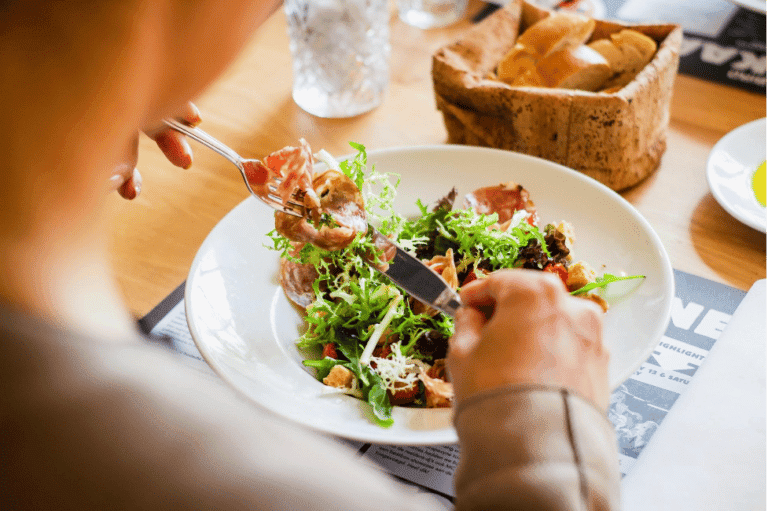
Slow down when you eat
Fast eating means swallowed air, which becomes gas. Put the fork down between bites. This one change fixes a surprising amount of bloating.
Cut carbonated drinks and gum
Sparkling water, soda, and beer all deliver CO2 directly to your stomach. Chewing gum makes you swallow air. If you’re bloated regularly, try one week without either.
Notice how dairy hits you
Roughly 65% of adults worldwide have some level of lactose malabsorption. If ice cream, milk, or yogurt reliably bloat you, try lactose-free versions or a lactase enzyme pill.
Get fiber right (and water alongside it)
Too little fiber causes constipation, which causes bloating. But sudden big increases in fiber (a scoop of psyllium on top of your normal diet) will make gas worse for a week or two. Ramp up slowly and drink water with it.
Try enteric-coated peppermint oil
Peppermint oil relaxes intestinal smooth muscle. Multiple randomized trials show it reduces IBS-type bloating and pain. Look for enteric-coated capsules so the oil is released in the intestine, not the stomach (where it can cause heartburn).
Consider a supervised low-FODMAP trial
Not forever. Two to six weeks of elimination, then structured reintroduction of food groups to find your specific triggers. Best done with a registered dietitian to avoid unnecessary restriction and nutrient gaps.
Move after meals
A 10-minute walk after eating helps gastric emptying and reduces post-meal bloating. It also modestly improves blood sugar response.
Watch salt and alcohol
Both cause water retention. If you woke up feeling puffy after Chinese takeout or a beer night, that’s the sodium and alcohol. Drink water; it passes.
6 Debloating Drinks (What They Actually Do)
Here’s the honest version of “detox drinks for bloating.” They’re mostly water. Water is genuinely helpful, especially if you’re constipated or bloated from sodium. Herbs like ginger and peppermint have some evidence for digestion. None of these dissolve gallstones, purge toxins, or “flatten your stomach in 60 minutes.” They’re pleasant, low-calorie hydration.
1. Lemon and Cucumber Water
Ingredients: 1 liter of water, half a cucumber sliced, 1 lemon sliced, 5-6 mint leaves.
Method: Combine in a jar, refrigerate 2 hours or overnight, drink through the day.
What it does: Hydrates and tastes good, which makes you drink more water than usual. That’s the main mechanism.
2. Ginger and Lime Water
Ingredients: 750 ml water, 5-8 thin ginger slices, half a lime sliced, half teaspoon fresh ginger juice.
For more on this topic, check out our guide on 7 day cleanse diet.
Method: Combine in a jar, refrigerate several hours, drink in the morning.
What it does: Ginger has modest evidence for reducing nausea and speeding gastric emptying (Nikkhah Bodagh 2019 systematic review). Useful if you get post-meal fullness.
3. Green Tonic (Carrot, Celery, Garlic)
Ingredients: 1 cup fresh carrot juice, 1 stalk celery, 1 raw garlic clove, small handful of parsley.
Method: Blend all ingredients until smooth. Drink in the afternoon on a mostly empty stomach.
What it does: Provides fluid and fiber. Raw garlic is a FODMAP so this will make some people more, not less, bloated. Try a garlic-free version first.
4. Papaya, Mango, and Flax Smoothie
Ingredients: 1 cup papaya, half a mango, 1 tablespoon ground flax seeds, 1 cup water, drizzle of honey (optional).
Method: Blend all ingredients until smooth. Drink without straining.
What it does: Papaya contains papain and mango contains fiber. This one is a mild laxative combo. If your bloating is constipation-driven, it can help. If you have IBS, high-FODMAP mango may backfire.
5. Sassy Water (Ginger, Lemon, Cucumber, Mint)
Ingredients: 2 liters water, 1 teaspoon fresh grated ginger, 1 cucumber (peeled and sliced), 1 lemon (sliced), 12 mint leaves.
Method: Combine in a large jug, refrigerate several hours, drink through the day.
What it does: Encourages you to drink 2 liters of water, which is the actual mechanism behind any “flat stomach” claim. Skip the marketing; keep the recipe.
6. Apple, Flaxseed, and Verbena Tea
Ingredients: 2 fresh apples (unpeeled), 1 tablespoon flax seeds, 1 cup brewed verbena and fennel tea.
Method: Juice the apples, blend with flax and cooled tea.
What it does: Fennel has traditional use for gas and mild evidence for reducing IBS symptoms. Verbena is calming. Apples are FODMAP-heavy for sensitive people (start with half an apple).
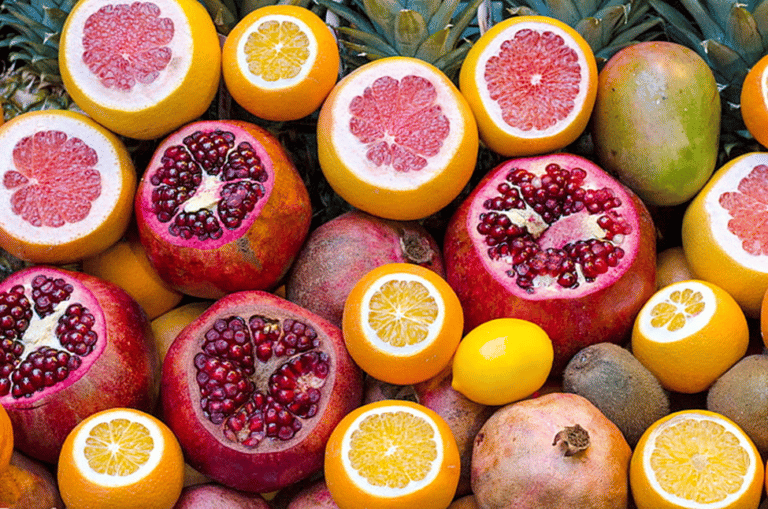
Fruits that tend to help
- Citrus: high water content, low FODMAP in most cases.
- Pineapple: contains bromelain, which supports protein digestion.
- Papaya: contains papain, similar effect.
- Kiwi: two green kiwis daily improved constipation in a 2023 RCT (Chey 2021).
- Bananas (ripe): potassium can offset sodium-driven bloat.
Avocado, apple, pear, mango, and watermelon are higher-FODMAP and can worsen bloating in sensitive people. Not “bad.” Just individual.
When to See a Doctor
Most bloating is diet or lifestyle. Some isn’t. See a physician if you have:
- Bloating with unintended weight loss
- Blood in stool or persistent change in bowel habits
- Iron-deficiency anemia
- Severe or worsening abdominal pain
- Bloating with vomiting or inability to keep food down
- Family history of colon cancer, celiac, or ovarian cancer
- New bloating that persists more than a few weeks in someone over 50
Conditions that mimic “just bloating” include celiac disease, SIBO (small intestinal bacterial overgrowth), IBS, endometriosis, ovarian cysts, gastroparesis, and (rarely) ovarian or colon cancer. Your primary care doctor or gastroenterologist can sort this out.
The Honest Take
The “best detox for bloating” isn’t a special drink. It’s slower eating, less soda and gum, right-sized fiber, a peppermint capsule if IBS-type, and a supervised low-FODMAP trial if bloating is regular. The pretty water recipes here are fine and hydrating. Don’t expect them to melt fat or purge anything.
If bloating is persistent, painful, or comes with red flags, skip the wellness aisle and see a doctor.
Frequently Asked Questions
Will a detox drink give me a flat stomach in 60 minutes?
No. What you can do in 60 minutes is pee out water weight if you were retaining sodium. That’s the actual mechanism behind “flat stomach in an hour” claims. Real fat loss takes weeks of consistent calorie deficit.
What’s the fastest way to relieve bloating?
Walk for 10 to 15 minutes. Sip warm water with fresh ginger. If it’s persistent, an enteric-coated peppermint oil capsule can help within an hour.
Why does more fiber sometimes make bloating worse?
Sudden big fiber increases feed gut bacteria that make gas as a byproduct. Ramp up slowly (a few grams per day, added over 2 weeks) and drink water with it.
Is a low-FODMAP diet the answer?
It’s the most evidence-backed diet for IBS bloating, but it’s meant to be a diagnostic elimination followed by structured reintroduction. Do it with a dietitian; don’t stay on it long-term.
Is my bloated belly actually fat?
Sometimes both. Belly fat sits under the abdominal wall and doesn’t change hour-to-hour. Bloating is gas, water, or stool and does change hour-to-hour. Poke your belly in the morning vs. after a meal to compare.
When should I be worried?
See a doctor if bloating comes with weight loss, blood in stool, persistent pain, vomiting, anemia, or a change in bowel habits, especially over age 50 or with a family history of GI cancer.
Are these debloating drinks safe daily?
For healthy adults, yes. If you have IBS, kidney disease, are on blood thinners (some herbs interact), or take medications, run your favorite recipe by your physician first.
Medical Disclaimer
This article is for general education and doesn’t replace personalized medical advice. Persistent bloating, especially with weight loss, blood in stool, pain, anemia, or family history of GI or ovarian cancer, warrants medical evaluation.
Talk to your physician or a registered dietitian before starting a restrictive protocol (including low-FODMAP), starting new supplements, or if you’re pregnant, breastfeeding, or on medication. Medically reviewed by Franco Cuevas, MD.
Our nutrition team includes registered dietitians Brenda Peralta, Marita Radloff, and Kerly Cordova, and nutritionists Karolina Peterova and Guido Forti.