Short answer: The most useful “anti-inflammatory” recipes are Mediterranean-pattern meals built around fatty fish, extra-virgin olive oil, dark greens, legumes, whole grains, herbs, spices, and berries. No single meal turns down inflammation, but eating this pattern consistently is associated in trials with lower inflammatory markers and reduced cardiovascular events.(1)(2)
One clarification before the recipes: acute inflammation (the redness around a scrape, the fever with the flu) is your immune system doing its job. Chronic, low-grade inflammation is the problem worth managing through diet. It’s linked to cardiovascular disease, type 2 diabetes, some cancers, and autoimmune flare-ups. This piece covers 10 recipe ideas built on that evidence, plus what to skip on the same plate.
Contents
- The Mediterranean pattern (why these recipes work)
- 1. Sautéed spinach with garlic and Greek yogurt
- 2. Stir-fried salmon with root vegetables
- 3. Roasted tomato and basil soup
- 4. Anti-inflammatory berry and almond bowl
- 5. Golden lentil soup with turmeric and ginger
- 6. Salmon and quinoa bowl with avocado
- 7. Mediterranean chickpea salad
- 8. Roasted turmeric cauliflower with tahini
- 9. Sardines on whole-grain toast with olive oil
- 10. Anti-inflammatory green smoothie
- What to skip
- FAQ
The Mediterranean pattern (why these recipes work)
You won’t find a single “anti-inflammatory food” that flips a switch. What works is a food pattern. The Mediterranean diet is the most extensively studied version, and the trial evidence for lowering chronic inflammatory markers is real.
The ATTICA study followed nearly 3,000 Greek adults and found that closer adherence to the Mediterranean diet was associated with 20% lower C-reactive protein (CRP) and interleukin-6 levels.(1) The 2020 review by Calder pulled together the mechanism: omega-3 fatty acids from fish shift the balance of prostaglandins and leukotrienes toward less inflammatory forms; polyphenols from olive oil and plants dampen NF-kB signaling; fiber from whole grains and legumes feeds gut bacteria that produce short-chain fatty acids with anti-inflammatory effects.(2)
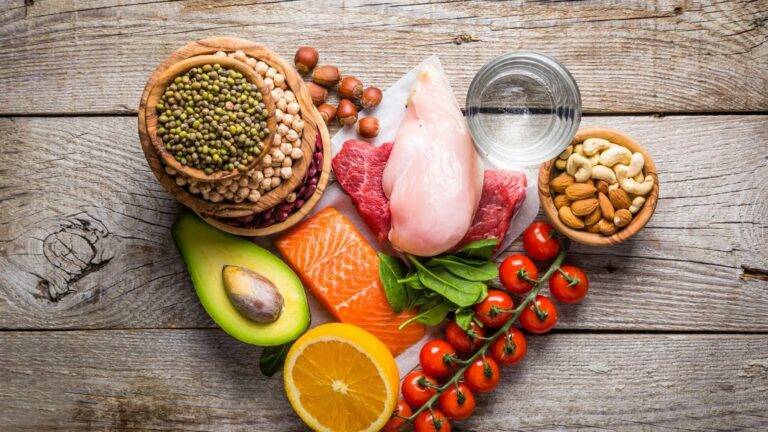
Practical version: think fatty fish twice a week, dark leafy greens most days, extra-virgin olive oil as the main cooking fat, legumes several times a week, berries and dark chocolate for treats, and herbs and spices at every meal. That’s the framework. The recipes below plug into it.
10 anti-inflammatory recipes worth cooking
1. Sautéed spinach with garlic and Greek yogurt
4 servings, 15 min prep + 20 min cook. Per serving: ~200 cal, 11 g net carb, 14 g fat, 10 g protein.
Spinach carries lutein, zeaxanthin, and folate plus alpha-linolenic acid (a plant omega-3 precursor). Cooking it in olive oil boosts carotenoid absorption significantly.
Ingredients: 1 lb spinach, 4 tbsp extra-virgin olive oil, 1 small yellow onion, 2 garlic cloves, 1 tbsp tomato paste, 2 tbsp brown rice, 2 cups water, salt, black pepper, chili flakes, plain full-fat Greek yogurt for serving.
Method: Heat olive oil in a wide pan. Cook chopped onion until soft. Add tomato paste and stir for 2 minutes. Add minced garlic, then the washed and chopped spinach. When it starts releasing water, add rinsed brown rice and water. Season, cover, and simmer 15 to 20 minutes. Serve topped with a spoonful of Greek yogurt.
Tip: Soak spinach in vinegar-water for 5 minutes to loosen grit, then rinse well.
2. Stir-fried salmon with root vegetables
6 servings, 5 min prep + 30 min cook. Per serving: ~341 cal, 15 g net carb, 23 g fat, 19 g protein.
Salmon is the poster child for anti-inflammatory eating. Its EPA and DHA omega-3 fatty acids get converted in your body to resolvins and protectins, signaling molecules that actively wind down inflammation.
Ingredients: 1 lb wild salmon, 2 medium potatoes, 1 carrot, 1 onion, 6 tbsp olive oil, 1/2 tbsp lemon juice, 2 tbsp red wine vinegar, black pepper, paprika, salt.
Method: Marinate salmon in 2 tbsp olive oil, lemon juice, spices for 30 minutes (15 in a pinch). Toss diced potatoes, carrots, and onion with vinegar, salt, and 2 tbsp olive oil. Heat remaining oil in a large pan, add vegetables, cook 5-6 minutes. Add salmon, sear both sides on high heat, then lower heat, add 1/4 cup water, cover, and cook 15 minutes.
3. Roasted tomato and basil soup
4 servings, 15 min prep + 45 min cook. Per serving: ~181 cal, 13 g net carb, 14 g fat, 3 g protein.
Cooked tomatoes concentrate lycopene, and adding olive oil dramatically improves absorption. Lycopene has consistent human-trial data for lowering inflammatory markers and supporting cardiovascular health.
Ingredients: 10 medium tomatoes, 1 bunch fresh basil, 4 tbsp olive oil, 1 tsp tomato paste, 2 garlic cloves, 6 cups water, salt, black pepper.
Method: Roast tomatoes at 375°F for 15 minutes, then peel. Sauté garlic in olive oil for 1 minute in a soup pot. Add tomatoes and water, blend with an immersion blender. Stir in tomato paste, bring to a boil, drop to low. Add basil, salt, and pepper. Simmer 5 more minutes. Blend again to smooth.
4. Anti-inflammatory berry and almond bowl
1 serving, 5 min. Per serving: ~118 cal, 14 g net carb, 5 g fat, 7 g protein.
Anthocyanins from berries plus vitamin E and polyphenols from almonds. Simple, no cooking, works as breakfast or an afternoon snack.
Ingredients: 3 tbsp plain Greek yogurt, 4 large strawberries (chopped), 10 blueberries, 6 raw almonds (halved), 2 tbsp rolled oats.
Method: Combine all in a bowl. Eat.
Tip: Swap in raspberries or blackberries for even higher polyphenol content.
5. Golden lentil soup with turmeric and ginger
4 servings, 10 min prep + 30 min cook. Per serving: ~280 cal, 32 g net carb, 8 g fat, 14 g protein.
Curcumin (from turmeric) and gingerol (from ginger) are the two spice-derived anti-inflammatory compounds with the most human research behind them. Black pepper adds piperine, which boosts curcumin absorption up to 20-fold.
Ingredients: 1 cup red lentils, 1 onion, 3 garlic cloves, 1-inch piece fresh ginger, 2 tsp ground turmeric, 1/2 tsp black pepper, 1 tsp cumin, 2 tbsp olive oil, 4 cups low-sodium vegetable broth, juice of 1 lemon, cilantro to garnish.
Method: Sauté onion and garlic in olive oil. Add grated ginger, turmeric, black pepper, and cumin. Toast spices 30 seconds. Add rinsed lentils and broth. Simmer 25 to 30 minutes until lentils break down. Finish with lemon juice and cilantro.
6. Salmon and quinoa bowl with avocado
2 servings, 15 min prep + 20 min cook. Per serving: ~510 cal, 35 g net carb, 26 g fat, 32 g protein.
Combines omega-3s (salmon), monounsaturated fats (avocado, olive oil), complete plant protein (quinoa), and cruciferous polyphenols (arugula).
Ingredients: 6 oz wild salmon, 1/2 cup dry quinoa, 1/2 avocado, 2 cups arugula, 1/4 cup cherry tomatoes, 2 tbsp extra-virgin olive oil, 1 tbsp lemon juice, salt, pepper.
Method: Cook quinoa per package. Pan-sear seasoned salmon 4 minutes per side. Toss arugula and tomatoes with olive oil and lemon. Assemble bowl: quinoa base, greens, salmon, sliced avocado. Season.
7. Mediterranean chickpea salad
4 servings, 10 min. Per serving: ~320 cal, 30 g net carb, 15 g fat, 12 g protein.
Chickpeas bring fiber and folate; cucumbers, tomatoes, red onion, and herbs bring polyphenols; olive oil ties it together. Great for meal prep, gets better on day two.
Ingredients: 2 cans chickpeas (rinsed), 1 cucumber (diced), 1 cup cherry tomatoes (halved), 1/2 red onion (thin sliced), 1/4 cup Kalamata olives, 1/2 cup crumbled feta, 1/4 cup fresh parsley, 1/4 cup fresh mint, 3 tbsp olive oil, 1 tbsp red wine vinegar, juice of 1 lemon, salt, pepper.
Method: Whisk olive oil, vinegar, and lemon juice. Toss with everything else. Rest 10 minutes before serving.
8. Roasted turmeric cauliflower with tahini
4 servings, 10 min prep + 25 min roast. Per serving: ~180 cal, 12 g net carb, 12 g fat, 6 g protein.
Cruciferous vegetables (cauliflower, broccoli, cabbage) contain sulforaphane, which reduces oxidative stress markers in human trials. Turmeric and pepper compound the effect.
Ingredients: 1 head cauliflower (florets), 3 tbsp olive oil, 1 tsp turmeric, 1/2 tsp cumin, 1/4 tsp black pepper, salt. Sauce: 2 tbsp tahini, 1 tbsp lemon juice, 1 clove garlic minced, water to thin.
Method: Toss cauliflower with oil and spices. Roast 425°F for 22 to 25 minutes. Drizzle with tahini sauce and top with fresh parsley.
9. Sardines on whole-grain toast with olive oil
1 serving, 5 min. Per serving: ~350 cal, 22 g net carb, 18 g fat, 22 g protein.
An underused omega-3 source. Sardines are cheap, shelf-stable, and low on the mercury chart. Two slices of whole-grain toast add fiber; a swipe of olive oil and a squeeze of lemon finishes it.
Ingredients: 1 can wild sardines in olive oil (drained), 2 slices sprouted-grain or 100% whole-wheat toast, 1 tsp extra-virgin olive oil, lemon wedge, cracked pepper, fresh dill or parsley.
Method: Toast bread. Mash sardines with a fork onto toast. Drizzle olive oil, squeeze lemon, top with herbs.
10. Anti-inflammatory green smoothie
1 serving, 5 min. Per serving: ~260 cal, 30 g net carb, 12 g fat, 8 g protein.
A blender template: greens + berries + healthy fat + protein + spice. Fast, portable, and easy to adapt to what’s in the fridge.
Ingredients: 1 cup baby spinach, 1/2 cup frozen blueberries, 1/2 banana, 2 tbsp ground flax, 1 tbsp almond butter, 1/2 tsp fresh ginger, pinch of turmeric, 1 cup unsweetened almond milk.
Method: Blend on high 45 to 60 seconds until smooth. Add water if thick.
What to skip on the same plate
Diet studies consistently show that the foods most strongly linked to higher inflammatory markers are:
- Ultra-processed foods. Anything with a long ingredient list, industrial oils, and added sugars.
- Refined carbohydrates. White bread, sugary cereals, most packaged snacks.
- Sugar-sweetened beverages. Soda and fruit drinks show the strongest link.
- Excess red and processed meat. Bacon, sausage, deli meats, and daily beef portions raise CRP in studies.
- Trans fats. Largely phased out but still hide in some margarines, baked goods, and fried foods.
- Excess alcohol. More than 1 drink/day for women or 2 for men.
Quick swaps table
| Instead of | Try |
|---|---|
| Butter for cooking | Extra-virgin olive oil |
| White rice | Quinoa, farro, or brown rice |
| Beef 4+ times/week | Salmon or sardines 2x, lentils 2x |
| Sweetened yogurt | Plain full-fat + fresh berries |
| Soda | Sparkling water with lemon or berries |
| Chips or crackers | Handful of walnuts or a piece of dark chocolate |
Frequently asked questions
How fast will an anti-inflammatory diet work?
Blood-marker changes (like CRP) start showing in 2 to 12 weeks of consistent eating. Symptom improvement in conditions like joint pain or IBS varies widely and is best tracked with a journal. This is not a 3-day cleanse.
Do I have to go full Mediterranean?
No. Adding fatty fish twice a week, cooking with olive oil, and eating more vegetables is a large improvement without changing anything else. Full pattern adoption is stronger but not required to see benefit.
Is chronic inflammation the same as feeling inflamed?
No. Chronic low-grade inflammation is usually invisible day-to-day. It shows up on blood tests (high-sensitivity CRP, IL-6) and is a risk factor for chronic disease. Feeling swollen or achy after a meal is a different issue, often food sensitivity or hydration-related.
Are anti-inflammatory supplements as good as anti-inflammatory food?
Not quite. Some (fish oil, curcumin) have decent evidence for specific outcomes. But whole foods deliver a wider mix at safer doses. Supplements are a supplement, not a substitute.
Can I eat these recipes if I have an autoimmune condition?
Most people with rheumatoid arthritis, psoriasis, or Hashimoto’s do well on a Mediterranean-pattern diet. Some autoimmune conditions (like celiac disease) require additional restrictions. Talk to your specialist or a registered dietitian before making major dietary changes.
Is gluten inflammatory for everyone?
No. Gluten drives inflammation in people with celiac disease or non-celiac gluten sensitivity. For most people, whole-grain wheat is neutral or beneficial. If you suspect a problem, get tested for celiac before going gluten-free.
What about dairy?
Dairy shows a neutral to slightly beneficial inflammatory profile in most studies, especially fermented forms (yogurt, kefir, aged cheese). If you have a diagnosed dairy allergy or lactose intolerance, that’s a different story.
Medical disclaimer: This article is for general information only and is not a substitute for professional medical advice, diagnosis, or treatment. If you have an autoimmune condition, IBD, kidney disease, take blood thinners (fish oil can interact with warfarin), or are pregnant, talk to a registered dietitian or your physician before making significant diet changes. An anti-inflammatory eating pattern is a long-term strategy, not a cure or replacement for prescribed treatment.