Short answer: South Beach Phase 2 is the “reintroduction” middle stage of the three-phase South Beach Diet developed by cardiologist Arthur Agatston in his 2003 book.
Phase 1 removes most carbohydrates for two weeks, Phase 2 slowly adds back low-glycemic carbs (whole grains, most fruits, some starchy vegetables) until you reach your goal weight, and Phase 3 is unrestricted maintenance.
Expected loss during Phase 2 is roughly one to two pounds per week, which is the pace major guidelines describe as sustainable(1)(2).
There is no strong clinical evidence that the low-glycemic focus of South Beach outperforms a standard Mediterranean or DASH pattern for long-term weight or heart outcomes(3).
This guide covers what Phase 2 actually is, what to add back and in what order, how fast to expect weight to move, and where the plan sits against current nutrition science.
Where Phase 2 fits in the South Beach structure
The South Beach Diet is a commercial low-glycemic plan built around three sequential phases. Agatston, a Miami cardiologist, published the framework in The South Beach Diet in 2003 as a middle path between the very low carb Atkins approach and traditional low fat cardiology advice of the era. The three phases are:
- Phase 1 (about 14 days): Strict low carb. No bread, rice, pasta, potatoes, fruit, sugar, or alcohol. Lean protein, non-starchy vegetables, low-fat dairy, nuts, and unsaturated oils are the base. This phase is intentionally short and designed to interrupt cravings and drop initial water weight.
- Phase 2 (starts day 15 and continues until goal weight): Gradual reintroduction of low-glycemic carbohydrates. This is where most of the actual fat loss happens because you are here the longest.
- Phase 3 (maintenance for life): No forbidden foods, but the low-glycemic preferences learned in Phase 2 stay in place. If weight creeps back, you cycle briefly through Phase 1 again.
Phase 2 is where the diet becomes livable. It also means the Phase 1 rapid drop, which is largely glycogen and associated water, slows down and true body-fat loss takes over.
What you actually add back in Phase 2
The idea behind Phase 2 is that not all carbs are equal. Foods with a lower glycemic index (GI) raise blood sugar more slowly, which the diet’s authors argue supports appetite control and steadier energy. In practice you add small servings of one to two low-glycemic carb items per day the first week, then work up to three or four servings across meals and snacks.
Reintroduced in Phase 2 (in modest portions):
- Whole-grain bread (100% whole wheat, rye, sourdough with intact grain).
- Steel-cut or old-fashioned oats.
- Brown rice, wild rice, quinoa, barley, farro, bulgur.
- Whole-grain pasta.
- Sweet potatoes and yams.
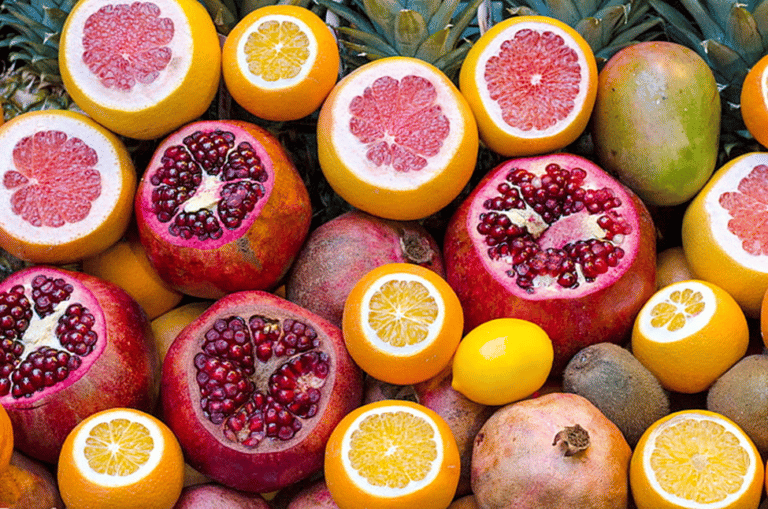
- Most fresh fruits: berries, apples, pears, oranges, peaches, plums, grapefruit.
- Higher-carb dairy such as plain yogurt.
- Legumes and beans.
- One glass of dry wine per day, if desired.
Still limited or avoided:
- White bread, white rice, regular pasta.
- Sugar, honey, syrups, sweetened beverages.
- White potatoes (limit rather than ban).
- Ripe bananas, watermelon, pineapple, and fruit juice (higher GI).
- Refined snack foods, pastries, and desserts.
How fast weight comes off in Phase 2
Phase 1 usually produces the largest scale drop, roughly 8 to 13 pounds according to the program’s own materials, most of which is water tied to glycogen depletion, not fat. Phase 2 is slower and more honest: a realistic pace is 1 to 2 pounds per week. This aligns with what the CDC and NIDDK describe as a safe, sustainable rate of loss(1)(2). Anything much faster over months tends to reflect further water shifts or muscle loss rather than fat.
You stay in Phase 2 until you reach your goal weight. For someone with 30 pounds to lose, that is typically four to seven months at the recommended pace.
A structured week in Phase 2
Below is a template built around one to two low-glycemic carb servings per day (start of Phase 2) that expands to three or four by week four.
- Breakfast: Two eggs, one slice 100% whole-grain toast, half a cup of berries, coffee or tea.
- Snack: Plain Greek yogurt with a tablespoon of chopped almonds.
- Lunch: Large mixed-greens salad with grilled chicken, olive oil and vinegar, one small apple.
- Snack: Sliced cucumber with hummus.
- Dinner: Baked salmon, half cup quinoa, roasted broccoli and cauliflower, side salad.
- Optional evening: A few squares of dark chocolate (at least 70% cacao) or a small glass of dry red wine.
General guidelines for Phase 2
- Introduce carb foods one at a time. If the scale stops moving for two weeks, cut back on the most recently added item.
- Portion control matters. Whole-grain bread is still bread; a “serving” is one slice or half a cup of cooked grains.
- Keep protein at every meal to preserve muscle during weight loss and support satiety.
- Fill half the plate with non-starchy vegetables. This has not changed from Phase 1.
- Use unsaturated fats (olive oil, avocado, nuts) instead of butter and lard.
- Drink water between meals rather than large volumes with meals.
- Pair the diet with 150 minutes of moderate activity per week, per the U.S. Physical Activity Guidelines.
How the science holds up in 2026
The original South Beach book was written for a general audience, not as a clinical trial protocol, so the plan itself has never been tested head-to-head as a proprietary intervention in large long-term trials. Broader research on low-glycemic eating is mixed.
Some studies show modest advantages for glucose control and appetite, but recent evidence syntheses conclude that low-glycemic diets are not clearly superior to a Mediterranean-style or DASH-style pattern for weight loss or cardiovascular outcomes over the long run(3).
The habits South Beach reinforces (more vegetables, more legumes, whole grains instead of refined, unsaturated fats, less added sugar) overlap heavily with both.
In other words, if South Beach Phase 2 helps you eat more of those foods and less refined carbohydrate, the benefits are real. The specific low-GI framing is not a magic mechanism.
Common problems in Phase 2 and how to fix them
- The scale stalls. Common causes are creeping portions of the newly reintroduced carbs, alcohol on more than a few days per week, and stress or sleep loss. Track for a week before assuming the diet has stopped working.
- Fatigue or brain fog. Some people undereat carbs even in Phase 2 out of caution. Add a serving of oatmeal or fruit at breakfast for a week and see if energy improves.
- Constipation. Usually low fiber or low water. Add beans, berries, chia seeds, and a large glass of water on waking.
- Weekend rebounds. The plan works because it is consistent. Two “off” days a week can erase the deficit of the previous five. Plan a small planned indulgence rather than an unplanned binge.
- Bored of the food. Rotate protein sources (fish, poultry, tofu, beans, eggs) and lean on Mediterranean-style flavor bases (olive oil, lemon, herbs, garlic).
Who should be cautious with South Beach Phase 2
People taking insulin or sulfonylureas for diabetes need medication adjustments before cutting carbs; the risk is hypoglycemia, not the diet itself. People with kidney disease should not increase protein without a nephrologist’s input.
Pregnant and nursing women should not be on a weight-loss protocol without a clinician. People with a history of restrictive eating disorders should avoid rigid phase-based plans.
As with any change, talk with your primary-care physician or a registered dietitian before starting, particularly if you take medication for blood pressure, blood sugar, or cholesterol.
Printable Phase 2 meal planner
A simple structure for the first seven days of Phase 2, one carb serving daily, protein-anchored meals, plenty of vegetables:
- Day 1: Egg-white spinach omelet + 1 slice whole-grain toast; Greek yogurt with berries; grilled chicken salad + 1 small apple; almonds; salmon with quinoa and roasted vegetables.
- Day 2: Steel-cut oats with berries; hard-boiled eggs; tuna salad on greens with olive oil; carrots and hummus; turkey chili with beans and a green salad.
- Day 3: Cottage cheese with peaches; walnuts; lentil vegetable soup + side salad; celery with peanut butter; baked chicken thigh, roasted sweet potato half, broccoli.
- Day 4: Vegetable omelet + 1/2 cup black beans; Greek yogurt; shrimp stir-fry with brown rice; pear; grilled steak, mixed greens, roasted cauliflower.
- Day 5: Whole-grain toast, avocado, poached egg; berries; big chef salad with turkey, egg, olives; almonds; salmon, farro, asparagus.
- Day 6: Plain Greek yogurt parfait with berries and oats; string cheese; whole-grain wrap with chicken and greens; cucumber and hummus; turkey meatballs, spaghetti squash, marinara.
- Day 7: Vegetable frittata; small orange; lentil salad; walnuts; grilled fish tacos on romaine leaves + black beans.
Bottom line
South Beach Phase 2 is the phase that actually determines whether you lose weight and, more importantly, whether you keep it off. The reintroduction sequence, if you go slowly and stay heavy on vegetables and protein, is a reasonable structured way to relearn what your appetite does with different foods. Expect one to two pounds per week, plan for months rather than weeks, and use the plan as a bridge into a Mediterranean-style pattern rather than a lifelong prescription.
Frequently asked questions
How long should I stay in Phase 2?
Until you reach your goal weight. For most people that is several months. Once you are at target, you move into Phase 3 (maintenance).
Can I have wine in Phase 2?
Yes, one glass of dry red or white per day is allowed. Sweet wines and cocktails are not.
What if I stop losing weight?
Track intake for one week, cut back on the most recently added carb serving, tighten weekend meals, and confirm you are not undersleeping. If nothing moves in three weeks, revisit portions and step up activity rather than dropping into Phase 1 again.
Do I need to count calories?
The plan does not require it, but a rough intake check is useful if the scale stalls. Portion drift is the most common reason Phase 2 stops working.
Can I do Phase 2 as a vegetarian?
Yes. Eggs, dairy, tofu, tempeh, edamame, and lentils cover protein. Legumes are welcomed back in Phase 2, which makes vegetarian planning much easier than Phase 1.
Is South Beach better than Mediterranean or DASH?
Not clearly. The evidence suggests all three produce similar weight and cardiovascular outcomes when calories are matched. Pick the pattern you can eat for years.
What foods should never come back?
None are permanently forbidden. The intent is that sugary drinks, refined snacks, and white flour become occasional rather than daily, not that you take a vow against them.
Medical disclaimer: This article is for general information only and is not a substitute for professional medical advice, diagnosis, or treatment. The South Beach Diet is a commercial weight-loss program and results vary.
Do not start a weight-loss plan without consulting a qualified healthcare provider, especially if you have diabetes, kidney disease, cardiovascular disease, an eating-disorder history, are pregnant or nursing, or take prescription medication for blood sugar, blood pressure, or cholesterol.
Medication doses may need adjustment when carbohydrate intake changes.