The honest answer up front: healthy kidneys do not need to be “cleansed.” They are already filtering roughly 180 liters of blood plasma every day and concentrating waste into urine without any help from a food list(1). What you actually can do through diet is support normal kidney function: stay well hydrated, keep sodium moderate, keep protein appropriate for your needs, and avoid overloading on ultra-processed foods, added sugar, and alcohol. That is the whole story for most healthy adults. If you already have kidney disease or a family history of it, dietary recommendations shift and should come from your nephrologist or renal dietitian.
This article walks through what the kidneys actually do, the small number of dietary habits that measurably help preserve kidney function, and a practical list of foods that fit that pattern. It is not a detox plan, and there is no magical fruit or drink that removes toxins from your kidneys. Nothing on this list will hurt healthy kidneys, and several items are known to be helpful when eaten as part of a balanced diet.
What your kidneys actually do
Each kidney is about the size of a fist and contains roughly one million filtering units called nephrons. Together, the two kidneys filter your entire blood volume many times a day. They:
- Remove urea, creatinine, and other water-soluble waste products, concentrating them into 1 to 2 liters of urine.
- Regulate sodium, potassium, calcium, phosphorus, and hydrogen ion balance minute by minute.
- Control blood pressure through the renin-angiotensin system.
- Produce erythropoietin, which tells the bone marrow to make red blood cells.
- Activate vitamin D so calcium can be absorbed.
None of these functions are enhanced by a “cleanse.” What they can be undermined by, over years, is uncontrolled high blood pressure, poorly managed diabetes, chronic dehydration, very high sodium intake, chronic use of NSAIDs at high doses, and heavy alcohol consumption(2).
The dietary pattern that supports normal kidney function
The National Institute of Diabetes and Digestive and Kidney Diseases (NIDDK) at the U.S. National Institutes of Health recommends a broadly similar approach for people who want to keep their kidneys healthy: adequate but not excessive fluid, moderate sodium, appropriate (not excessive) protein, and a diet built around vegetables, fruit, whole grains, legumes, and fish(2). This looks a lot like the Mediterranean or DASH pattern.
1. Hydrate consistently, not aggressively
Well-hydrated kidneys concentrate urine less aggressively, which is easier on the filtering nephrons. The general guidance for most healthy adults is roughly 3.7 liters of total daily fluid for men and 2.7 liters for women, food included. Water is the default. Drinking massive quantities of water on top of that does not “flush” your kidneys any harder; it just makes you urinate more.
2. Keep sodium moderate
The American Heart Association suggests an upper limit of 2300 mg of sodium per day, with an ideal target of about 1500 mg for many adults. Most Americans consume well above that, primarily from restaurant food, packaged snacks, and processed meat, not from the salt shaker. High sodium intake raises blood pressure, and elevated blood pressure is the second most common cause of chronic kidney disease worldwide(2).
3. Keep protein appropriate for your needs
Healthy adults need roughly 0.8 grams of protein per kilogram of body weight per day, and physically active adults may benefit from more (1.2 to 1.6 g/kg). Very high protein diets sustained for years can increase the workload on the kidneys, and this becomes clinically relevant for people who already have reduced kidney function. If you have chronic kidney disease, your renal dietitian will give you a specific gram-per-day target, which is often lower than the general population’s.
4. Cut back on the actual load
The two biggest modifiable risk factors for chronic kidney disease are diabetes and hypertension. Diets built around ultra-processed foods, sugary drinks, refined carbohydrates, and heavy alcohol drive both. Reducing those inputs matters more than adding a specific “cleansing” food(1).
10 foods that fit a kidney-supportive eating pattern
1. Water
The base of everything. Consistent hydration keeps urine less concentrated and reduces the risk of kidney stones. Plain water is fine. Herbal teas count. Add citrus slices if that makes it easier to drink.
2. Berries (blueberries, raspberries, strawberries)
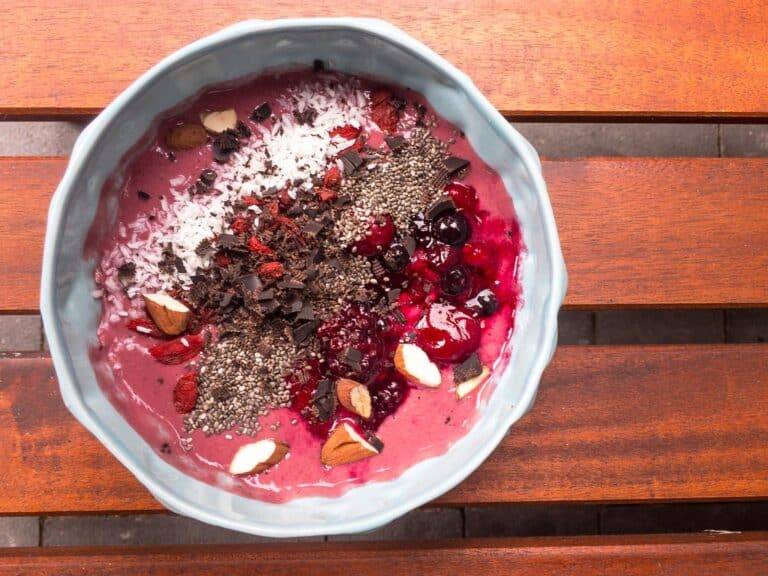
Low in potassium (a benefit for people with reduced kidney function), rich in polyphenols, and low in calories. Fresh or frozen berries make a good breakfast topper or afternoon snack.
3. Apples
Moderate potassium, generous soluble fiber, and easy on the digestive system. An apple a day is not medicine, but it is a genuinely useful whole-fruit snack.
4. Cabbage and cauliflower
Cruciferous vegetables that are relatively low in potassium, which matters for kidney-friendly meal planning. Roast, saute, or shred them into slaws.
5. Bell peppers (especially red)
Excellent source of vitamin C and vitamin A, low in potassium, and low in phosphorus. A staple in kidney-friendly meal plans.
6. Fatty fish (salmon, sardines, mackerel)
Omega-3 fatty acids from fish are associated with lower cardiovascular risk, which indirectly protects the kidneys because cardiovascular disease and kidney disease share drivers. Aim for two servings per week.
7. Olive oil
A stable, monounsaturated-rich cooking fat central to the Mediterranean pattern. Sodium-free, phosphorus-free, and useful for cooking vegetables in a way that makes you eat more of them.
8. Onion, garlic, and herbs
These deliver flavor without sodium. When you rely on herbs (parsley, cilantro, basil, oregano, thyme) and aromatics to season, you naturally cut back on salt.
9. Whole grains (oats, barley, quinoa, brown rice)
Fiber-rich carbohydrate sources that support steady blood sugar and gut health. People with advanced kidney disease may need to limit certain whole grains due to phosphorus content, so this one is more nuanced for those individuals.
10. Egg whites
High-quality protein without the phosphorus load of the yolk, which is useful in kidney-friendly meal planning. Most healthy people can eat whole eggs; egg whites are specifically emphasized in kidney-restricted diets.
Foods often mislabeled as “kidney cleansers”
You will see claims that cranberry juice, watermelon, ginger, dates, or lemon water specifically “cleanse” or “detoxify” the kidneys. Here is what is actually going on:
- Cranberry juice: Some evidence supports a modest role in reducing recurrent urinary tract infections in certain groups. This is not the same as detoxifying kidneys. Also watch sugar content in sweetened juices.
- Watermelon: Mostly water and a small amount of lycopene. Hydrating and pleasant, but it does not “cleanse.”
- Lemon water: Hydrating and pleasant. Citrate from lemons can slightly raise urinary citrate, which is one factor in reducing certain types of kidney stones for people prone to them. It does not remove toxins.
- Dates: Nutritious, but relatively high in potassium and sugar. Not a special kidney food.
- Ginger and basil: Nice flavors and modest anti-inflammatory activity in lab studies. There is no clinical evidence they specifically improve kidney function in humans.
Special note for people with existing kidney disease
Recommendations change significantly if you have been diagnosed with chronic kidney disease (CKD). Depending on your stage of CKD, you may need to limit potassium, phosphorus, sodium, and protein more strictly than the general population(2). Foods that are healthy for someone with normal kidneys (bananas, avocados, whole grains, nuts, dairy) may need to be limited in CKD. Do not follow a generic “kidney food” list from the internet if you have CKD. Work with a registered renal dietitian.
Habits that help more than any food list
- Get your blood pressure checked at least annually and treat it if it is high.
- If you have diabetes, keep your A1c in the range your clinician recommends.
- Avoid regular high-dose NSAID use (ibuprofen, naproxen) without medical supervision.
- Limit alcohol to moderate levels (no more than 1 drink per day for women, 2 for men).
- Do not smoke. Smoking accelerates kidney function decline.
- Get an annual urine test (albumin) and blood test (creatinine and eGFR) if you have diabetes, hypertension, or a family history of kidney disease.
Frequently asked questions
Do healthy kidneys need to be cleansed?
No. Healthy kidneys filter blood and remove waste continuously without any special food or drink to help them. Supporting normal kidney function comes down to consistent hydration, moderate sodium, appropriate protein, and controlling blood pressure and blood sugar(2).
Does drinking a lot of water flush the kidneys?
Adequate hydration keeps urine less concentrated, which helps prevent kidney stones and eases the filtering workload. Drinking large amounts beyond thirst does not flush the kidneys more effectively; it just increases urine volume.
Can I reverse kidney damage with foods?
No. Established chronic kidney disease cannot be reversed with a food list. Diet can help slow progression when combined with blood pressure and blood sugar control, but that requires an individualized plan from your nephrologist and renal dietitian.
Is lemon water good for kidneys?
It is fine for most people, and citrate from lemons may reduce the risk of certain kidney stones in people who are prone to them. It does not detoxify the kidneys.
Are protein shakes bad for the kidneys?
In healthy adults with normal kidney function, moderate protein intake including from shakes is not damaging. Very high sustained protein intake becomes a concern if kidney function is already reduced. If you have CKD, discuss protein targets with your clinician.
What are the earliest warning signs of kidney problems?
Early kidney disease is often silent. Blood pressure changes, foamy urine, swelling in the ankles, and changes in urine volume can be signs, but the reliable way to detect early kidney disease is a blood test (creatinine and eGFR) and a urine test (albumin).
Are herbal kidney cleanse supplements safe?
Many herbal “kidney cleanse” supplements have not been rigorously tested and can contain ingredients that are actually hard on the kidneys. Talk to your clinician before starting any supplement, especially if you take prescription medications(1).
Medical disclaimer: This article is for informational purposes only and is not medical advice. Dietary recommendations for kidney health change substantially if you have chronic kidney disease. Consult a registered dietitian or physician before making significant dietary changes, especially if you have kidney disease, diabetes, hypertension, are pregnant or nursing, or take prescription medication. Individual results vary.