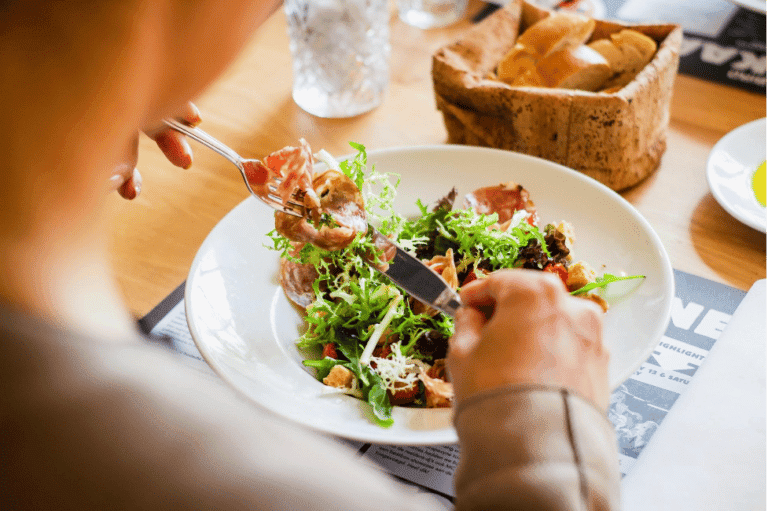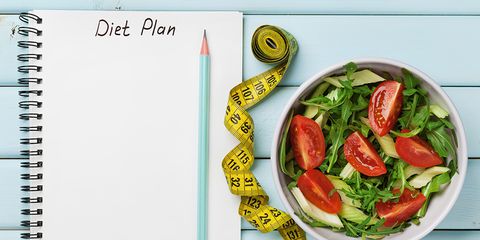
Honest lead: a “1 day detox” is not a real medical intervention. “Detox” is a marketing label with no accepted clinical definition, and no juice, smoothie, tea, or single-day meal plan removes toxins from your body. Your liver and kidneys already do that continuously, 24 hours a day, whether you cleanse or not(1). That said, a single day of whole-foods eating is perfectly fine and can help reset habits. What follows is a sensible one-day plan honestly framed: no toxin claims, no shock weight-loss promises, just eating well for a day.
Why the “1 day detox” framing is misleading
The idea that 24 hours of smoothies, lemon water, and a small salad can “flush toxins” is not supported by clinical research. A 2015 critical review in the Journal of Human Nutrition and Dietetics examined the evidence for commercial detox programs and found no compelling human trial data that any of them removed toxins or produced sustained health benefits(2). The Mayo Clinic and NIH’s National Center for Complementary and Integrative Health both say the same thing: the body handles waste elimination without cleanses(1)(3).
If you have felt better after a day of clean eating, the credit almost always goes to boring, real changes: more vegetables and fewer processed foods, more water, less alcohol, less caffeine, one earlier bedtime, and 60 minutes of walking. Those are worth doing. The “detox” label around them is not.
How your liver and kidneys actually work
The liver runs a two-phase detoxification pathway. Phase I uses cytochrome P450 enzymes to oxidize fat-soluble compounds such as alcohol, medication residues, and used-up hormones. Phase II attaches a water-soluble tag (glutathione, glucuronide, sulfate) so the kidneys can excrete the compound in urine or the bile can dump it into the gut.
The kidneys filter about 180 liters of plasma through roughly two million nephrons every day and concentrate real metabolic waste (urea, creatinine, drug metabolites) into 1 to 2 liters of urine. Sodium and potassium balance is fine-tuned along the way.
The gut carries bile-bound waste out in stool. Fiber helps by binding bile so it does not recirculate back into the bloodstream.
None of these systems need a lemon-water flush to work. What they do benefit from over time: adequate protein and calories, regular fluids, plenty of fiber, sleep, and limited alcohol.
What a single day of clean eating actually does
A one-day whole-foods pattern will not “detoxify” you, but it can plausibly do the following:
- Reduce bloating from cutting salt, refined carbs, and alcohol for a day.
- Drop 1 to 3 pounds on the scale next morning, almost entirely from lower glycogen and less retained water. This is not fat loss.
- Reset appetite awareness by putting real vegetables and lean protein in front of you again.
- Give you a rehearsal for a more sustainable weekly pattern.
- Break a caffeine or alcohol streak.
What it will not do: pull toxins out, cure fatigue rooted in medical conditions, permanently reset metabolism, or produce meaningful fat loss.
Claim vs. evidence for 1-day detox plans
| Claim | What marketing says | What the evidence shows |
|---|---|---|
| “Flush toxins in a day” | Removes environmental and metabolic toxins | No clinical evidence. Liver and kidneys already do this daily(1)(2). |
| “Lose 4 lb in 1 day” | Rapid fat loss | Mostly water and glycogen. Fat loss requires a sustained deficit over weeks. |
| “Boosts metabolism” | Turns on fat-burning | Very low calorie days can lower resting metabolic rate, not raise it. |
| “Kickstarts your immune system” | Cleanse rebuilds immunity | No such mechanism in one day. Immune function depends on sleep, nutrition, and chronic health. |
| “Clears skin overnight” | Detox glow | Skin turnover is 28+ days. One day of eating will not visibly change skin. |
| “Resets digestion” | Cleans the intestine | Fiber and hydration improve regularity; there is no intestinal reset in one day. |
A sensible 1-day whole-foods plan (no detox claims)
This plan targets roughly 1,400 to 1,600 kcal, about 90 g protein, 30 g fiber, low added sugar, and no alcohol. It is a single day of clean eating, not a therapy. Adjust portions to your own body size, activity level, and appetite. Skip it entirely if you have diabetes, kidney disease, an eating disorder history, are pregnant or breastfeeding, or take medications that require food timing, without checking with your clinician first.
On waking
- 1 large glass (500 ml) of plain water at room temperature.
- Optional: black coffee or unsweetened green tea.
- 5 minutes of stretching or a short walk.
Breakfast (about 400 kcal, 25 g protein)
- 200 g plain Greek yogurt (about 20 g protein)
- 1/2 cup rolled oats, cooked (about 150 kcal, 4 g fiber)
- 1 cup mixed berries (fresh or frozen)
- 1 tablespoon chia or ground flax seeds
- 1 mug of green or black tea, or coffee, unsweetened
Mid-morning
- 1 large glass of water
- Optional: 1 apple with 1 tbsp almond butter (only if actually hungry)
Lunch (about 450 kcal, 35 g protein)
- 120 g grilled or baked chicken breast, salmon, or firm tofu
- Large mixed salad: 3 cups leafy greens, 1 cup chopped tomato and cucumber, 1/2 cup chickpeas, 1/4 avocado, 1 tbsp olive oil, lemon juice, black pepper
- 1 small whole-grain roll or 1/2 cup cooked quinoa
Afternoon
- 1 large glass of water; herbal tea if you like.
- Movement break: 20 to 30 minute walk.
Dinner (about 500 kcal, 30 g protein)
- Big vegetable bowl: 1.5 cups roasted or steamed vegetables (broccoli, peppers, zucchini, carrots)
- 150 g grilled white fish, chicken thigh, or 1 cup cooked lentils
- 1/2 cup cooked brown rice, quinoa, or 1 medium sweet potato
- Drizzle: 1 tsp olive oil, herbs, lemon or vinegar
Evening
- Herbal tea, unsweetened.
- Optional small snack if truly hungry: a handful of walnuts, or plain kefir.
- Screens off 30 to 60 minutes before bed.
- Aim for 7 to 9 hours of sleep.
What to skip today
- Alcohol.
- Added sugar (sodas, sweetened coffees, desserts, sweetened yogurt).
- Ultra-processed snacks (chips, cookies, sweet cereals).
- Deep-fried food and fast food.
- Salt-heavy processed items: deli meat, canned soup, salty sauces, most restaurant dressings.
You are not skipping these because they are “toxic.” You are skipping them because they crowd out fiber, protein, and vegetables and add sodium and calories without satiety.
Fluids and movement
Aim for about 2 to 3 liters of total water over the day (more if you exercise or live in a hot climate). Sixty minutes of light-to-moderate movement is a reasonable target: a morning walk, an afternoon walk, and 10 to 15 minutes of stretching or yoga in the evening. There is no need to force a hard workout. The point of a clean-eating day is calm consistency, not stress.
Common mistakes people make on a “1 day detox”
- Eating too little. Dropping below about 800 to 1,000 kcal for a full day usually causes headaches, irritability, and rebound eating tomorrow.
- Liquid-only day. Juices and smoothies concentrate sugar without the fiber matrix. Blood sugar spikes and hunger returns fast.
- Skipping protein. Without 60 to 100 g of protein, you will feel weaker and hungrier by evening.
- Chasing scale drops. The morning-after number is water. Chasing it teaches unhelpful habits.
- Extending “just one more day.” A one-day reset that becomes a five-day undereating streak is how disordered patterns start.
- Big caffeine load. If you normally drink coffee, do not suddenly cut it to “cleanse.” You will just get a caffeine-withdrawal headache and blame the “toxins.”
Who should not attempt this plan
- Anyone pregnant or breastfeeding.
- People with type 1 or type 2 diabetes on medication (rapid calorie changes can cause hypoglycemia).
- Anyone with kidney disease, liver disease, or gallbladder disease.
- People with a current or past eating disorder.
- Children and adolescents.
- Anyone on blood thinners, thyroid medication, lithium, or other drugs that require stable food and fluid intake, without physician review.
When to see a doctor instead
If persistent bloating, fatigue, unexplained weight gain, or chronic digestive issues are the reason you were looking for a “detox,” those symptoms deserve a proper workup rather than a smoothie. Common medical causes include thyroid dysfunction, iron or B12 deficiency, sleep apnea, food intolerances, heart or kidney conditions, and side effects of medication.
Frequently asked questions
Will a 1-day detox actually detox my body?
No. There is no clinical evidence that any one-day plan removes toxins. The Klein and Kiat 2015 review of detox interventions found none produced meaningful toxin elimination in humans(2). Your liver and kidneys handle it daily.
How much weight will I lose in one day of clean eating?
Typically 1 to 3 lb (0.5 to 1.4 kg) on the scale the next morning, almost entirely water and glycogen. Real fat loss requires a sustained deficit over weeks.
Is it safe to do this once a week?
For most healthy adults, a whole-foods eating day (not liquid-only) once a week is safe. Frequent very low calorie days can lower resting metabolic rate, reduce muscle mass, and disrupt menstrual cycles.
Can I do this if I have diabetes?
Not without your doctor’s input. Rapid calorie or carbohydrate changes can cause hypoglycemia in people on insulin, sulfonylureas, or some newer glucose-lowering drugs.
Do I need to skip coffee?
No. If you drink coffee daily, keep to your normal amount without added sugar or heavy cream. Suddenly cutting caffeine will give you a headache and you will blame the “cleanse.”
What about a juice-only detox?
Juice-only days concentrate sugar without fiber, spike blood glucose, cause hunger rebound, and often lead to overconsumption. Klein and Kiat 2015 specifically flagged commercial liquid detoxes as lacking evidence(2). Not recommended.
How is this different from a “cleanse”?
The word “cleanse” implies removing toxins that are stuck inside you. That framing is not supported by evidence. What this plan is: one calm day of whole foods, water, movement, and sleep. It resets habits, not “toxins.”
Medical disclaimer: This article is for informational purposes only and is not medical advice. “1 day detox” is a marketing framing; the plan below is one day of whole-foods eating and does not remove toxins. Consult a registered dietitian or physician before making significant dietary changes, especially if you have diabetes, kidney or liver disease, an eating disorder history, take prescription medication, or are pregnant or nursing. Individual results vary.